
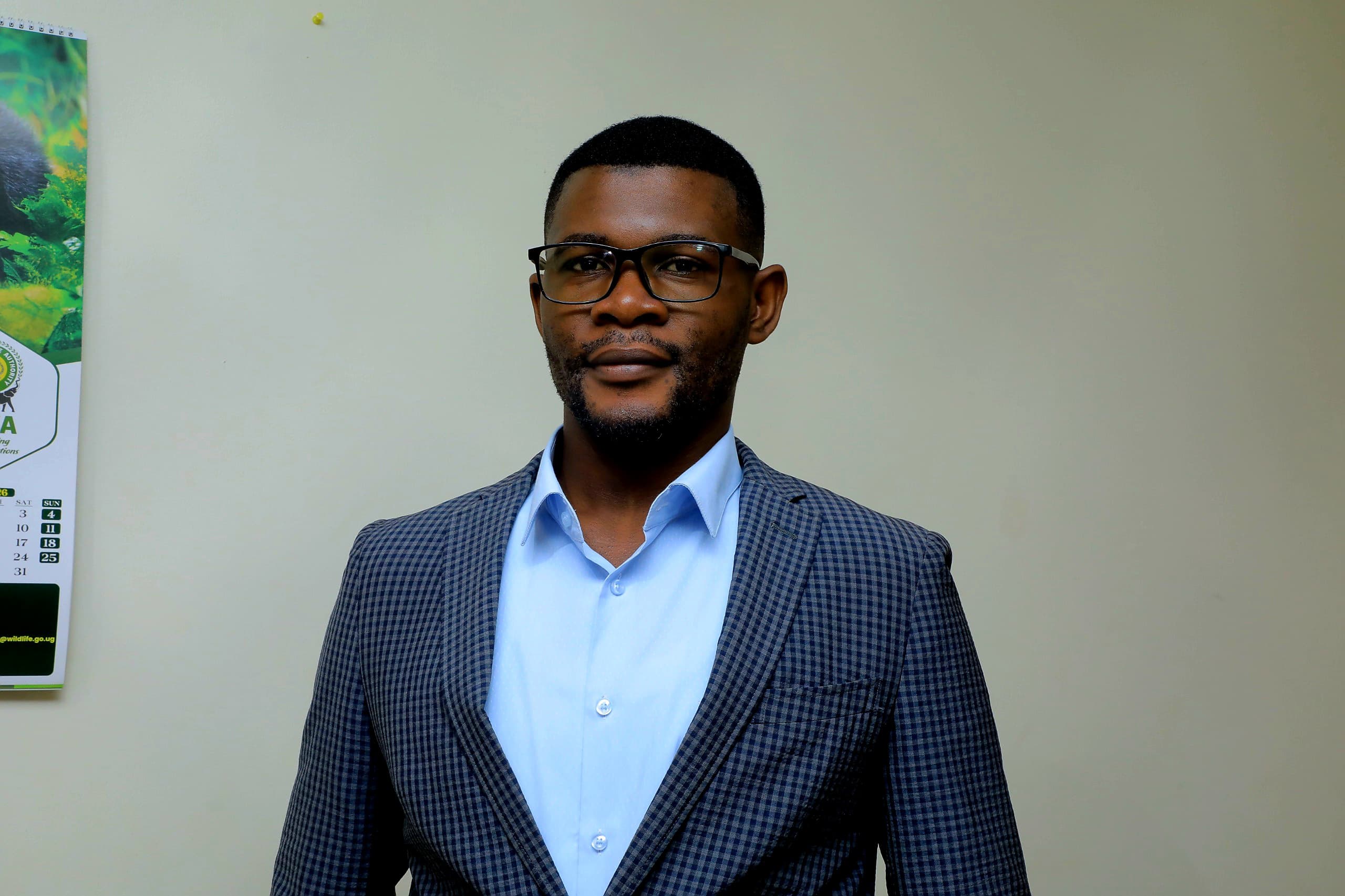
By Amiri Wabusimba
When President Yoweri Kaguta Museven sat down with youthful digital content creators on Jazz with Jajja, the symbolism was unmistakable.
In a country where the majority of the population is young and increasingly networked, the encounter appeared to signal generational listening, digital inclusion, and political openness.
For international audiences, such moments are often interpreted as indicators of democratic evolution how states negotiate dissent, innovation, and youth aspiration.
Yet symbolism alone does not translate into substance. What the conversation ultimately revealed is a deeper challenge facing contemporary governance: access to power, when not anchored in strategy, can neutralize the very voices it seeks to empower.
One host asked whether, as cultural tradition suggests, a grandparent sends a visitor home with something.
The exchange was light-hearted and relatable, but it subtly reframed the presidency as a source of personal generosity rather than institutional accountability.
In global political communication, this distinction matters, Leader’s today are not judged solely by warmth or relatability, but by their willingness to articulate policy direction, protect rights, and outline economic futures especially when engaging a youthful majority whose political loyalties are increasingly fluid.
The conversation came closest to substance when digital livelihoods were raised, Content creators acknowledged that platforms such as YouTube and TikTok are generating income, while also pointing to high internet costs and limited state support.
What remained underdeveloped, however, is the recognition that Uganda’s digital media space already functions as an informal creative economy with some media like Facebook still remain restricted.
It employs thousands of young people, transfers marketable skills outside formal education systems, and contributes directly and indirectly to the national tax base.
Such sectors are discussed in terms of labour protection, infrastructure investment, and regulatory certainty. Framing the issue merely as a request for support missed the opportunity to demand formal policy recognition.
Most striking was the absence of a direct engagement with freedom of expression, Uganda’s online creators and media at large operate in an environment shaped by arrests, prolonged detentions, and regulatory ambiguity.
Internationally, heads of state are routinely asked how they balance national security with civil liberties in digital spaces.
A request or question on pardons, bail reform, or safeguards for lawful online expression would not have been confrontational.
It would have aligned Uganda’s youth discourse with globally accepted democratic norms while offering the President an opportunity to demonstrate statesmanship.
Youth migration, raised through concerns about young people leaving for the Gulf states, was similarly individualized.
Advice was sought, but structural accountability was not, across Africa, outward migration is widely understood as a response to unemployment, limited industrial growth, and policy inertia.
A more consequential question would have asked how government policy intends to make staying economically viable for skilled and ambitious young citizens.
Jazz with Jajja offered insight not only into state–youth relations, but into the preparedness of youth media itself.
Digital creators increasingly occupy a space once held by traditional journalists. With that access comes responsibility: to ask questions that travel beyond the room, resonate across borders, and reflect the lived realities of their audiences. Informal formats may encourage familiarity, but governance demands structure.
This dynamic is not unique to Uganda, across Africa, a quiet shift is underway as presidents engage podcasters, YouTubers, and TikTokers, acknowledging where public attention now resides.
This redistribution of narrative power is significant. Yet its effectiveness hinges on whether youth-led media can move beyond humanizing power to holding it accountable.
Asking about digital censorship is not an attack on the state; it is an inquiry into how economies of the future are protected or constrained. Asking about detained creators is not rebellion; it is a test of constitutional commitment.
Ugandan youth content creator must also come to terms with its economic identity; Content creation is no longer a hobby; it is labour. It trains editors, designers, marketers, and storytellers at scale, often outside formal institutions.
It generates revenue, visibility, and soft power for the state itself. Governments that get tax from internet usage while restricting digital speech face a policy contradiction that youth interviewers are uniquely positioned to surface calmly, publicly, and on record.
The most influential youth-led interviews are those that convert access into outcomes: policy clarification, timelines, or commitments that shape public debate.
This requires preparation, coalition thinking, and an understanding that the camera is not merely a mirror, but an instrument of governance, when used well, it strengthens legitimacy rather than eroding it.
The lesson of Jazz with Jajja is therefore not failure, but warning and opportunity, Uganda’s youth possess proximity to power, platforms with reach, and audiences with urgency.
What they require next is agenda-setting capacity. In a political environment where youth support is increasingly contested and opposition narratives gain traction, the state’s most strategic response is not suppression, but structured engagement.
For governments seeking durability in the age of digital politics, youth are not a constituency to be managed episodically.
They are partners to be engaged systematically. When access evolves into agency, and conversation into accountability, youth media can become not a threat to governance, but one of its most credible allies.
Wabusimba Amiri is a communication specialist, diplomatic Scholar, Journalist, political analyst and Human Right activist. Tel: +56775103895 email: Wabusimbaa@gmail.com
Have An Advert Or Article You Want Us To Publish? Whatsapp: +256786288379 or email binocularugnews@gmail.com
